Call Us : +91- 9844444507

In almost every Indian kitchen, split dal holds a permanent place on the shelf. From simple comfort meals to rich festive recipes, dal is one ingredient that connects nutrition, taste, and affordability together. Whether it is a bowl of steaming dal rice, crispy dal snacks, or traditional South Indian dishes, split dal remains one of the most consumed food products across India.
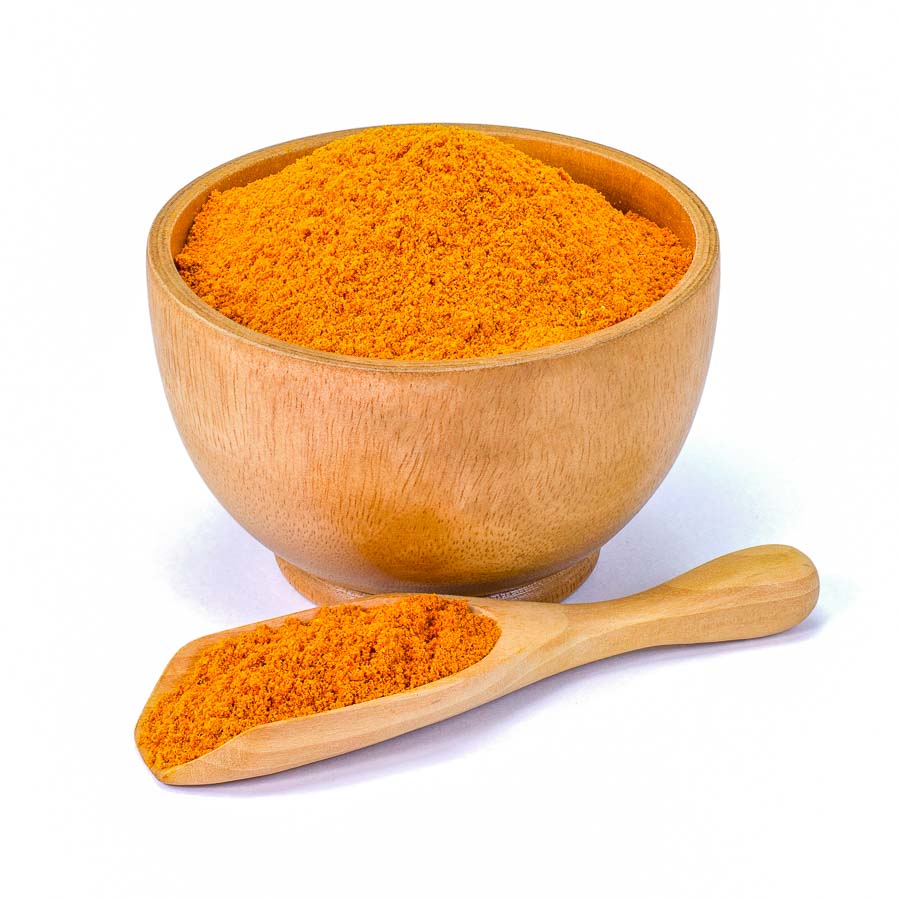
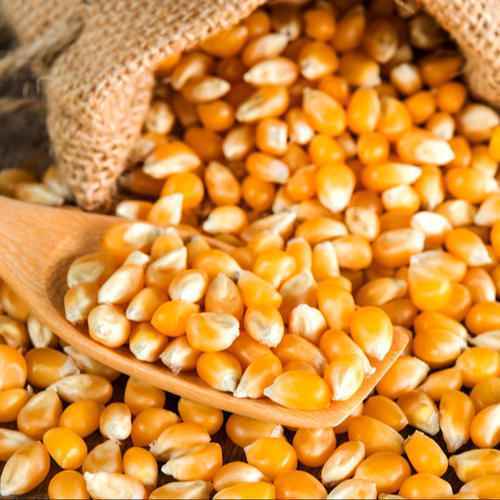
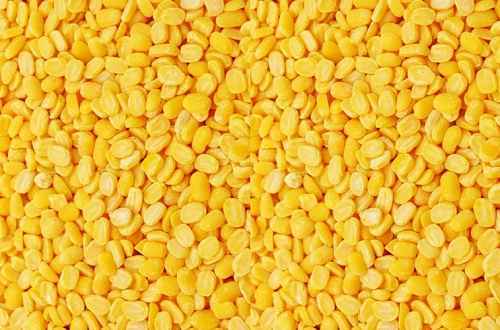

Hyderabad, known for its rich culinary culture and rapidly growing food industry, has witnessed a major rise in the demand for premium-quality split dal. Families, restaurants, caterers, hostels, supermarkets, and food processing businesses regularly purchase dal in bulk for daily operations. The growing awareness around protein-rich diets and healthy eating habits has further increased the market demand for different varieties of split dal. According to industry reports, the Indian mixed dal market is expected to witness consistent growth in the coming years due to rising health awareness and increasing consumption of plant-based protein foods.
Hyderabad is one of the fastest-growing metropolitan cities in India. Along with residential expansion, the city has also seen rapid growth in restaurants, cloud kitchens, catering services, supermarkets, and packaged food businesses. Since dal is used in almost every Indian cuisine, the demand naturally continues throughout the year.
Several factors are contributing to this increasing requirement:
The popularity of healthy eating habits has also influenced dal consumption patterns. Many consumers now prefer unpolished and naturally processed dals because of their nutritional value and better taste.
Every variety of split dal serves a different purpose in Indian cooking. Buyers often select dal depending on taste, texture, cooking time, and recipe requirements.
| Type of Split Dal | Common Uses | Major Benefits |
|---|---|---|
| Toor Dal | Sambar, Dal Fry | Rich taste and daily usage |
| Chana Dal | Snacks, Sweets | High protein and texture |
| Moong Dal | Khichdi, Soups | Easy digestion |
| Urad Dal | Dosa, Idli | Essential for batter preparation |
| Masoor Dal | Curries | Fast cooking and affordable |
Among all varieties, toor dal remains one of the most consumed dals in Hyderabad households. Its rich flavor and smooth texture make it ideal for everyday meals like dal fry and sambar.
Restaurants and commercial kitchens prefer buying toor dal in bulk because it offers consistency in taste and works well in large-scale cooking operations. Market studies also indicate strong demand for pigeon pea-based products in India because of their daily usage in households.
Hyderabad has a strong market for namkeen, sweets, and fried snacks. Chana dal plays an important role in the preparation of many such food products. Its thick texture and slightly nutty flavor make it highly suitable for commercial snack production.
Bulk buyers often prefer suppliers that can provide:
Good-quality chana dal not only improves taste but also increases the shelf life of packaged food products.
Today’s consumers are paying closer attention to nutrition. Moong dal has gained popularity because it is light, protein-rich, and easy to digest. It is commonly used in khichdi, soups, sprouts, and healthy breakfast dishes.
Health experts often recommend lentils as an important source of plant-based nutrition. Reports also show increasing awareness regarding protein-rich vegetarian diets among Indian consumers.
Many households now choose moong dal as part of regular meal planning due to its digestive benefits and quick cooking time.
Established in 2018, Amazing Enterprises (OPC) Private Limited has emerged as a reliable exporter and global supplier of high-quality agricultural commodities and consumer products. The company specializes in a diverse portfolio that includes Dal, Garlic, Ginger, Onion, Potato, Turmeric Powder, Green Chilli, Imitation Jewelry, and Ladies Night Dresses, catering to international market demands with consistency and care.
Driven by a commitment to quality, hygiene, and timely delivery, Amazing Enterprises sources its products from trusted vendors who follow safe and hygienic production practices. Every product is carefully selected, handled, and packed using high-grade packaging standards to ensure freshness, nutritional value, and product integrity during global transit.
Hyderabad’s strong South Indian food culture creates consistent demand for urad dal throughout the year. Restaurants, hotels, and tiffin centers use large quantities of urad dal for preparing:
Commercial buyers usually prefer premium-quality urad dal because texture and fermentation quality directly affect food preparation.
Reliable split dal suppliers focus heavily on maintaining cleanliness and uniformity in urad dal processing to meet restaurant-grade standards.
Masoor dal is widely appreciated for its affordability and fast cooking nature. Busy urban families often choose masoor dal because it requires less cooking time compared to other lentils.
Its smooth texture and mild flavor make it suitable for:
Due to increasing urbanization and busy lifestyles, ready-to-cook and fast-cooking food products are gaining popularity across India.
Not every supplier can maintain quality, consistency, and timely delivery. Businesses that purchase dal regularly need dependable suppliers who can meet large-volume requirements without compromising product standards.
A reliable split dal supplier usually focuses on:
Consistency is extremely important for restaurants and food businesses because even slight variations in quality can affect customer satisfaction.
Food safety awareness has increased significantly in recent years. Consumers now pay attention not only to taste but also to cleanliness and processing standards.
Modern dal processing units use advanced systems for:
These processing techniques improve overall product quality and reduce contamination risks.
Industry reports also highlight the growing importance of food safety and packaging standards in the Indian dal market.
Good packaging is not just about appearance. It protects the dal from moisture, insects, and contamination during storage and transportation.
Today, suppliers commonly offer:
| Packaging Type | Suitable For |
|---|---|
| Plastic Pouches | Retail sales |
| HDPE Bags | Bulk wholesale supply |
| Vacuum Packs | Premium quality packaging |
| Customized Packs | Private labeling businesses |
Businesses increasingly prefer customized packaging solutions because they help build brand identity and improve retail presentation.
Many businesses now prefer working with local split dal suppliers instead of distant wholesalers. Local suppliers provide several practical advantages.
Quick transportation reduces delays and helps maintain inventory stability.
Local suppliers can respond faster to urgent requirements and custom orders.
Buyers can personally inspect products before large purchases.
Shorter delivery distances help reduce logistics expenses.
For restaurants and catering companies, timely supply is critical because daily food operations depend heavily on ingredient availability.
Before selecting a supplier, buyers should carefully evaluate product quality and business reliability.
Good-quality split dal usually has:
Excess moisture can reduce shelf life and increase spoilage risk.
Proper warehouse management is essential for maintaining freshness.
Restaurants often test cooking consistency before placing large orders.
Across India, awareness regarding protein intake has increased rapidly. Consumers are now actively searching for healthier and more balanced diets.
Dal has naturally become an important part of this conversation because it is:
Nutrition experts often mention that combining dal with rice or wheat creates a more balanced amino acid profile.
This trend has positively impacted the demand for different varieties of split dal in both urban and semi-urban markets.
Food startups, cloud kitchens, and healthy meal brands are introducing innovative ways to use split dal in packaged foods.
Today, dal is commonly used in:
The expansion of health-conscious consumer markets is also creating opportunities for premium-quality dal suppliers. Online grocery platforms and quick commerce services are further increasing accessibility for consumers.
Despite rising demand, split dal suppliers also face several operational challenges.
| Challenge | Impact on Business |
|---|---|
| Crop fluctuations | Unstable pricing |
| Transportation delays | Late deliveries |
| Moisture issues | Reduced shelf life |
| Market competition | Lower margins |
| Storage management | Product spoilage risk |
Many suppliers invest heavily in warehousing and inventory planning to overcome these problems.
The dal processing sector is evolving rapidly with the use of modern machinery and automation systems.
Some major technological improvements include:
Industry discussions also indicate growing interest in establishing modern dal processing units due to increasing food demand across India.
Proper storage is extremely important for maintaining dal quality over long periods.
This helps prevent moisture absorption and insect infestation.
Humidity can reduce shelf life and affect taste.
“First In, First Out” inventory management helps maintain freshness.
Clean storage environments reduce contamination risks.
Suppliers that follow strict storage practices usually deliver better-quality products to customers.
Businesses that purchase dal regularly often prefer long-term partnerships with trusted suppliers.
Stable supplier relationships help ensure:
For restaurants and food manufacturers, reliable raw material supply directly affects customer satisfaction and profitability.
The future of Hyderabad’s split dal industry looks highly promising. Rising urbanization, increasing protein awareness, and the growth of food businesses are expected to drive strong market expansion in the coming years.
Industry reports suggest that India’s mixed dal market will continue growing steadily due to increasing demand for nutritious and plant-based foods.
Some major future growth areas include:
Split dal has become far more than a basic kitchen ingredient. It now represents nutrition, affordability, convenience, and business opportunity all at once. In Hyderabad, the growing demand from households, restaurants, caterers, and retail businesses has created strong opportunities for reliable split dal suppliers.
Choosing the right supplier is essential for maintaining product quality, operational consistency, and customer satisfaction. Businesses should always focus on hygiene standards, packaging quality, storage methods, and supplier reliability before placing bulk orders.
As consumer awareness around healthy eating and plant-based protein continues to rise, the split dal market in Hyderabad is expected to grow even stronger in the coming years.
► Split dal refers to pulses that are cleaned, split, and processed for cooking purposes. Common examples include toor dal, moong dal, chana dal, and urad dal.
► Hyderabad has strong household and commercial demand for dal due to its rich food culture, restaurant industry, and popularity of South Indian cuisine.
► Toor dal is one of the most commonly used dals in Indian households because of its use in daily meals like sambar and dal fry.
► Many consumers prefer unpolished dal because it retains more natural nutrients and fiber compared to polished varieties.
► Restaurants and catering businesses require consistent supply, stable pricing, and large quantities for daily cooking operations.
► Split dal should be stored in airtight containers in dry and moisture-free environments to maintain freshness and prevent spoilage.
► Dal prices may fluctuate because of crop production, weather conditions, transportation costs, and market demand.
► Consumers are becoming more health-conscious and are increasingly choosing plant-based protein foods like dal for balanced nutrition.





Copyright © 2026 AMAZING ENTERPRISES (OPC) PRIVATE LIMITED All Rights Reserved.